
Scroll society has rewired our brains for speed.
The payoff on a short video is nearly instantaneous: entire stories are told and resolved in 60 seconds. This makes long-form content feel broken. Every extra minute is a minute the audience is deciding whether to leave.
So how do you keep someone engaged for longer than 60 seconds?
You make leaving feel like a loss.
The Case Study: One Piece
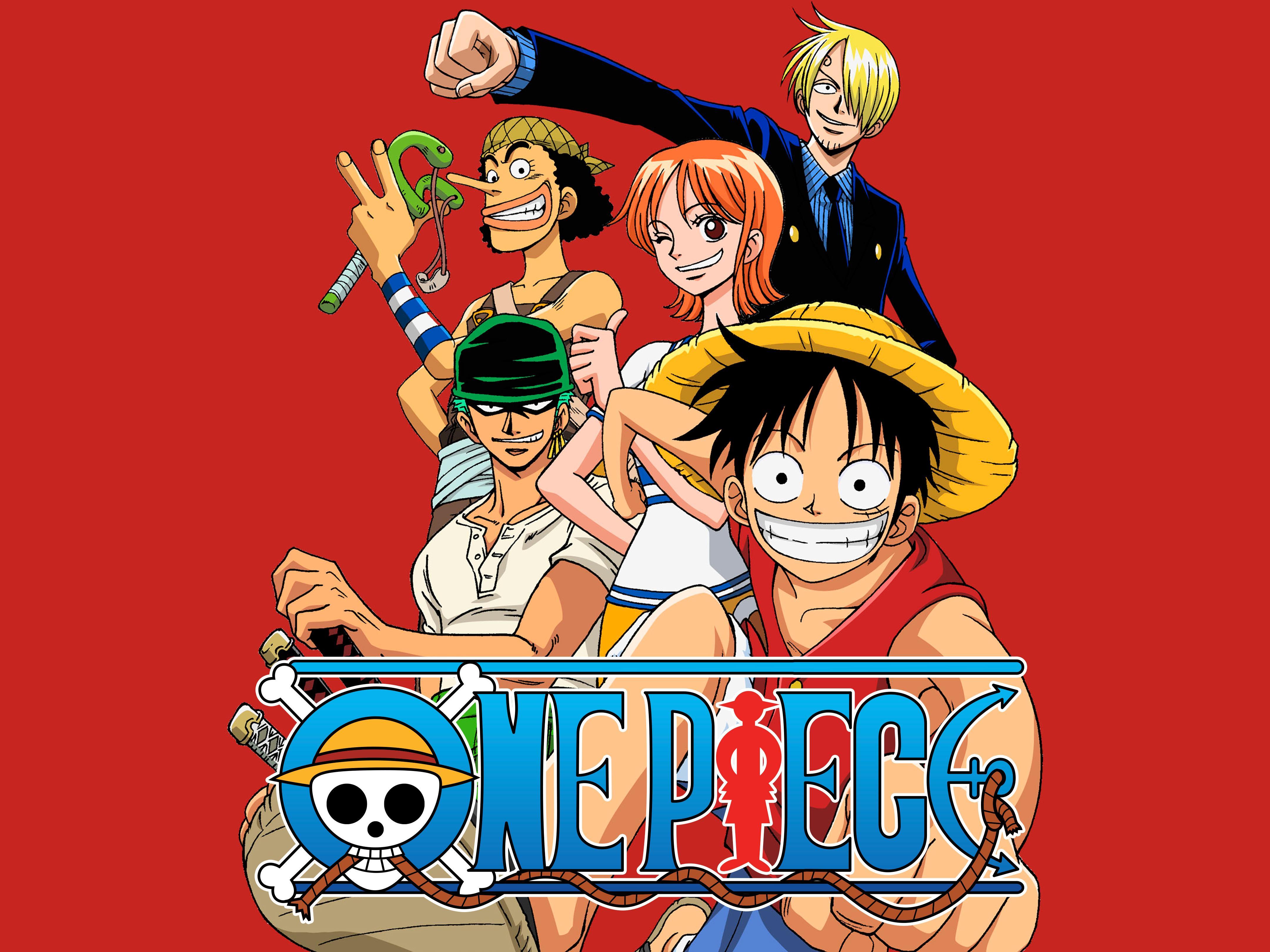
Eiichiro Oda has kept his audience captive for over 25 years. In 1997, Oda launched a manga, later adapted into an anime, about a rubber boy who wants to be King of the Pirates.
On the surface, it's a lighthearted tale of a crew of misfits chasing a legendary treasure called the "One Piece". At its core, it's a sophisticated storyline, exploring what it means to chase dreams in an oppressive society.
There are 530 million copies in circulation, putting it alongside Harry Potter (600 million) as one of the best-selling stories in human history. And 1,000 chapters later, its popularity isn't fading.
Here's what I believe is behind that longevity.
1. He Knew the Ending Before He Wrote the Beginning
Oda reverse-engineered One Piece. He knew the ending before he knew the beginning — which allowed for subtle foreshadowing and insane character development.
A minor character from episode 50 resurfaces as a major player in episode 600. A throwaway line becomes a plot-breaking revelation 300 chapters later. Every new island they visit isn't the world expanding, but compounding.
Because Oda knows where he's going, he can introduce more questions than he answers. And he layers them by depth:
- Short-term: Who is that person?
- Mid-term: What happened in this kingdom's past?
- Long-term: What is the One Piece?
The audience is always holding multiple open loops.
2. Creative Constraints Create Cohesion
One Piece has never lost its feel. Across 25 years and 1,000+ chapters, it reads like one continuous vision because Oda built it inside a filter.
Every arc orbits the same tension: freedom versus power. Every main character is given a dream early on that's simple to say and hard to achieve.
This creates a throughline. No matter how many new characters, worlds, or conflicts are introduced, the audience always knows what everyone is fighting for and why it matters.
A useful way to build your own version of this:
"Everything I create explores ____ through ____ so that ____."
Oda also follows a reliable structure underneath the chaos:
Arrival → Discovery → Escalation → Emotional Peak → Climax → Resolution
Or stripped down: Hook. Midpoint Shift. Climax.
The question you need to ask is: What has to be true for this payoff to feel earned?
3. Creating Emotional Depth
He knows when to deliver and when to wait. Oda asks three questions before giving the audience what they want:
- What does the audience want right now?
- What happens if I give it to them immediately?
- How do I make them want it even more?
This is how you create emotional depth. The big moments don't feel like big moments unless there are large friction points and time under tension.
He also manages tone with intention. After a devastating arc, Oda follows with something lighter. The contrast makes the next emotional hit land harder.
The Bigger Picture
One Piece hasn't just built an audience, it's built a movement. The Straw Hat flag from the show has been flown at protests in Nepal, Indonesia, Madagascar, and France. People are living inside One Piece's values.

You can't make a 60 second video reach the same level of depth.
The lesson isn't to intentionally make something long. It's to make something that earns every second it asks for.